More people want to start something in 2026 than in years, and just as many are frozen before they begin. The economy feels foggy, the headlines are loud, and every dollar you would put at risk is a dollar you might not get back. So the plan stays in a notebook and the fear wins by default.
I want to tell you something I wish someone had told me earlier: the fear of failing is not the thing holding you back. The freeze it causes is. And you can beat the freeze without ever getting rid of the fear.
The fear is not the problem, the freeze is
Every founder I respect is afraid of failing. The difference is they have stopped waiting for the fear to disappear before they move. Courage was never the absence of fear; it is action taken while the fear is still in the room.
When you treat fear as a signal instead of a stop sign, it changes shape. It stops meaning do not and starts meaning this matters, pay attention. That is a reframe you can practice, and like anything you practice, it gets easier.
What seven rejections taught me
When I was trying to get my first business off the ground, I heard no seven times. Seven loan rejections. Each one felt like a verdict on whether I belonged in the room at all.
Then a stranger sent me a letter with 16,000 dollars in it and one request: pay it forward someday. That gift did not erase the fear of failing. What it did was remind me that a setback is a chapter, not the whole story, and that belief became the seed of everything I have built since.
Make failure survivable, not impossible
You do not beat fear of failure by promising yourself you will not fail. You beat it by making failure small enough to survive. Shrink the bet, and you shrink the grip fear has on you.
- 1Size the bet you can afford to lose. Decide up front the most time or money you will risk on the next step, so the downside is known, not infinite.
- 2Run experiments, not leaps. Test the idea with a handful of real customers before you bet the house.
- 3Make it reversible. Favor moves you can walk back, like a soft launch or a month-to-month commitment, over one-way doors.
- 4Define what you will learn either way. If a win teaches you something and a loss teaches you something, you can only learn or earn.
- 5Set a next step, not a finish line. Land three customers beats build an empire when you are scared.
Courage is a muscle, not a mood
Nobody wakes up fearless. Courage is built the same way strength is: reps. Every small, scary thing you do anyway adds a little to the account. You are not waiting to feel ready; you are becoming ready by acting.
Failure is not the opposite of success. It is the tuition you pay on the way there.
That is the heart of what I call downward growth: the moments that take you down are often the very ones that grow you. The dip is not the end of the climb; sometimes it is the start of the strongest part of it.
You were never meant to do it alone
Fear gets loudest in isolation. It shrinks the second you say it out loud to someone who has been there. The founders who push through uncertainty are almost never the toughest ones; they are the ones with people around them who remind them the fear is normal and the next step is doable.
Key Takeaways
- The fear of failing rarely goes away; successful founders act while it is still there.
- Treat fear as a signal that something matters, not a stop sign.
- Shrink every bet to a size you can survive, and failure loses its grip.
- Courage is built through small, repeated, scary-but-doable actions.
- Fear grows in isolation and shrinks in community, so do not carry it alone.
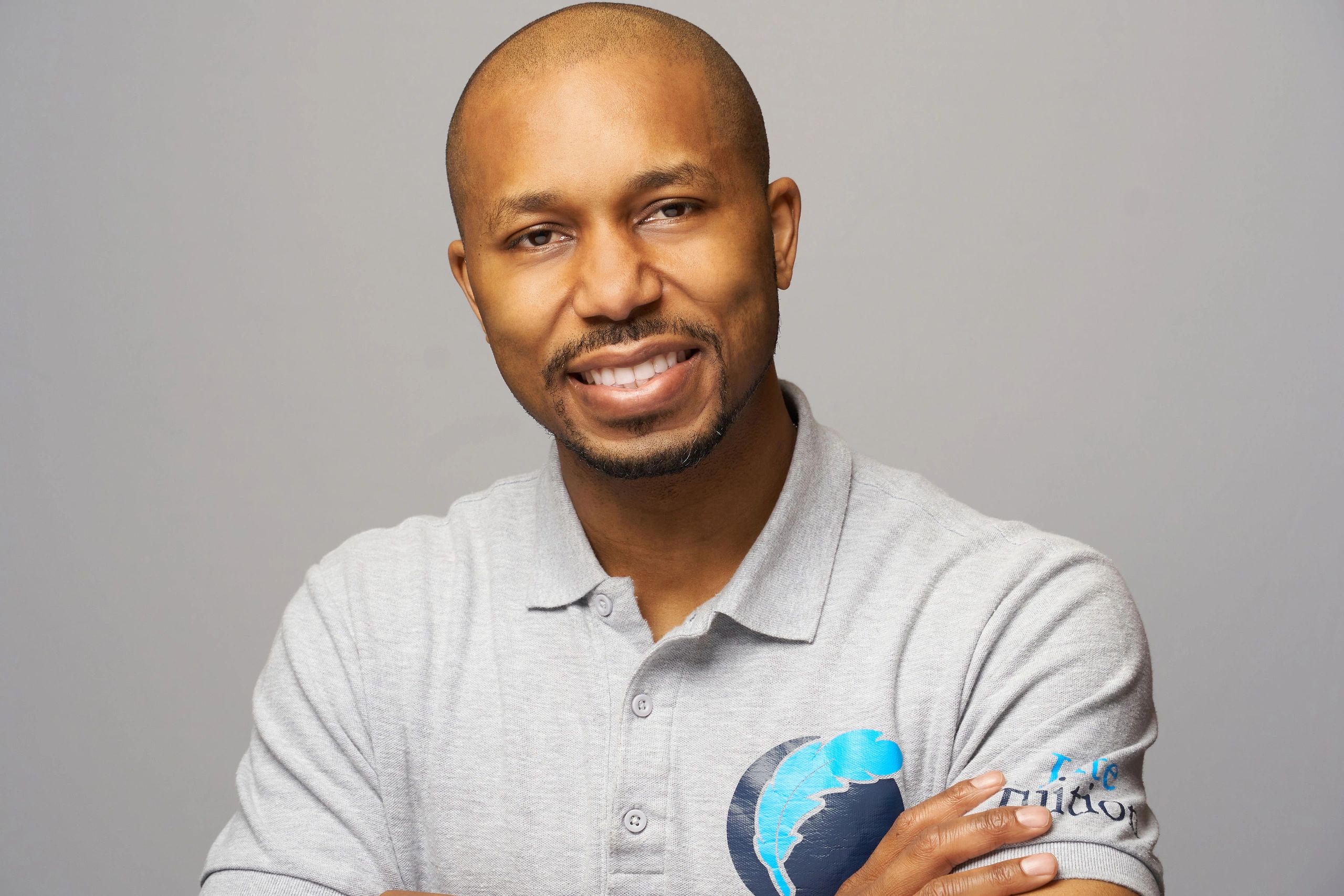
Marc D. Alexander
Motivational speaker, founder of Lite Raise, and author of Dreaming of Success. Marc helps entrepreneurs turn setbacks into momentum and pay it forward.